Hello, this is Takashi Murakami.
At Kaikai Kiki Gallery, my second print exhibition of the year will soon open. The theme of this exhibition is “Japonisme”.
Earlier this year, I presented my solo exhibition at Gagosian Gallery in New York, “JAPONISME → Cognitive Revolution: Learning from Hiroshige,” which was my key show in 2025. The upcoming exhibition features print editions of almost all the paintings shown in that exhibition.
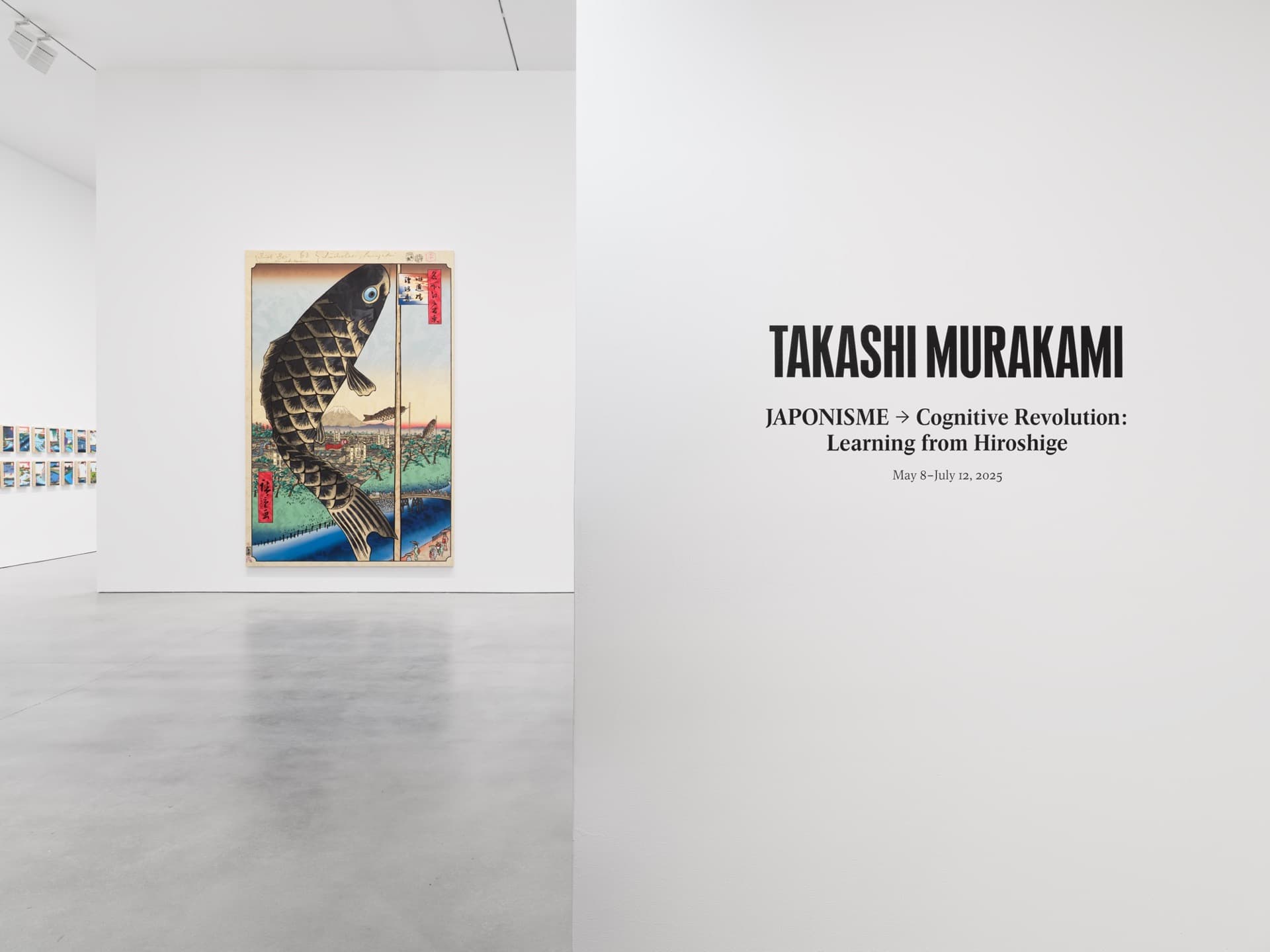
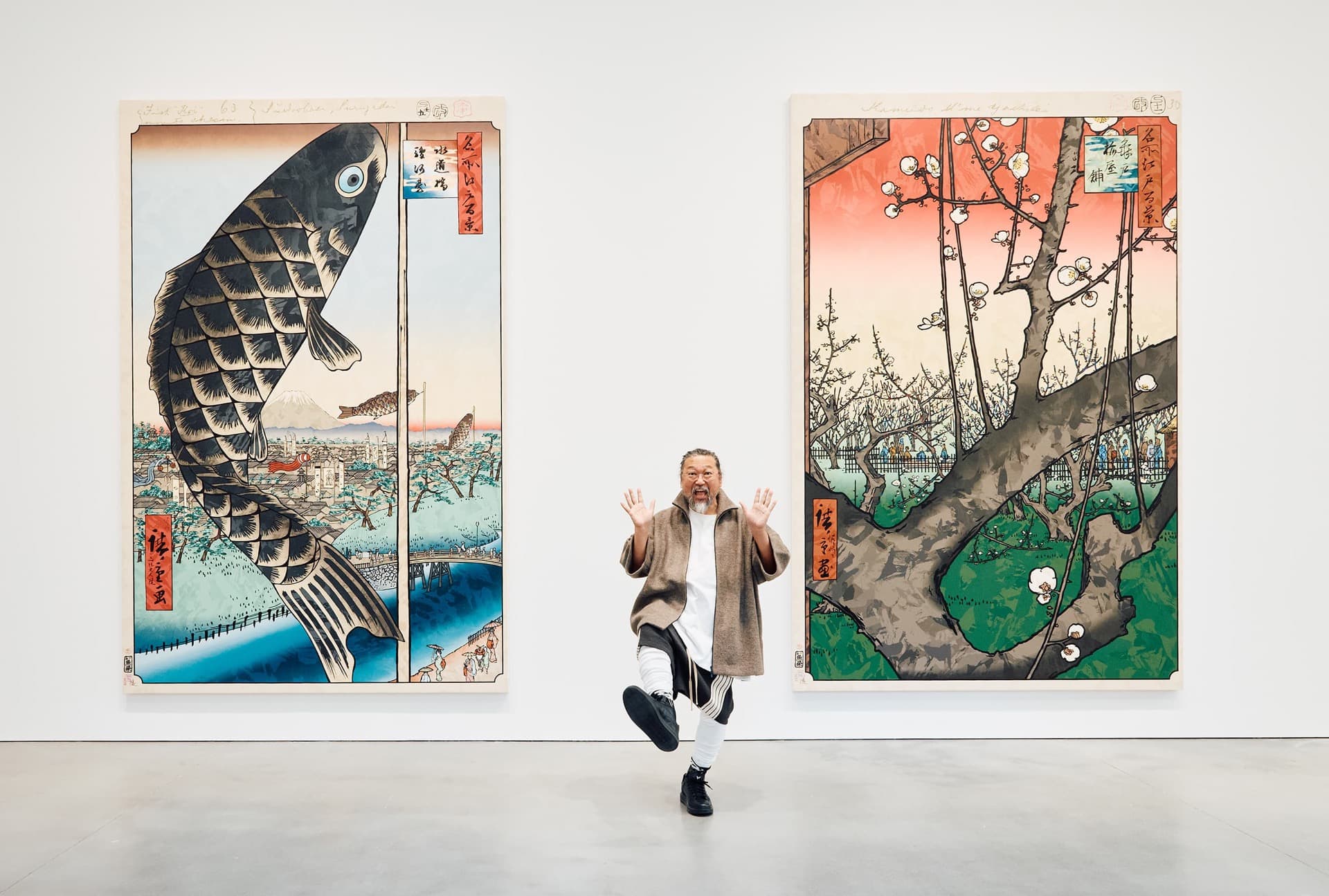
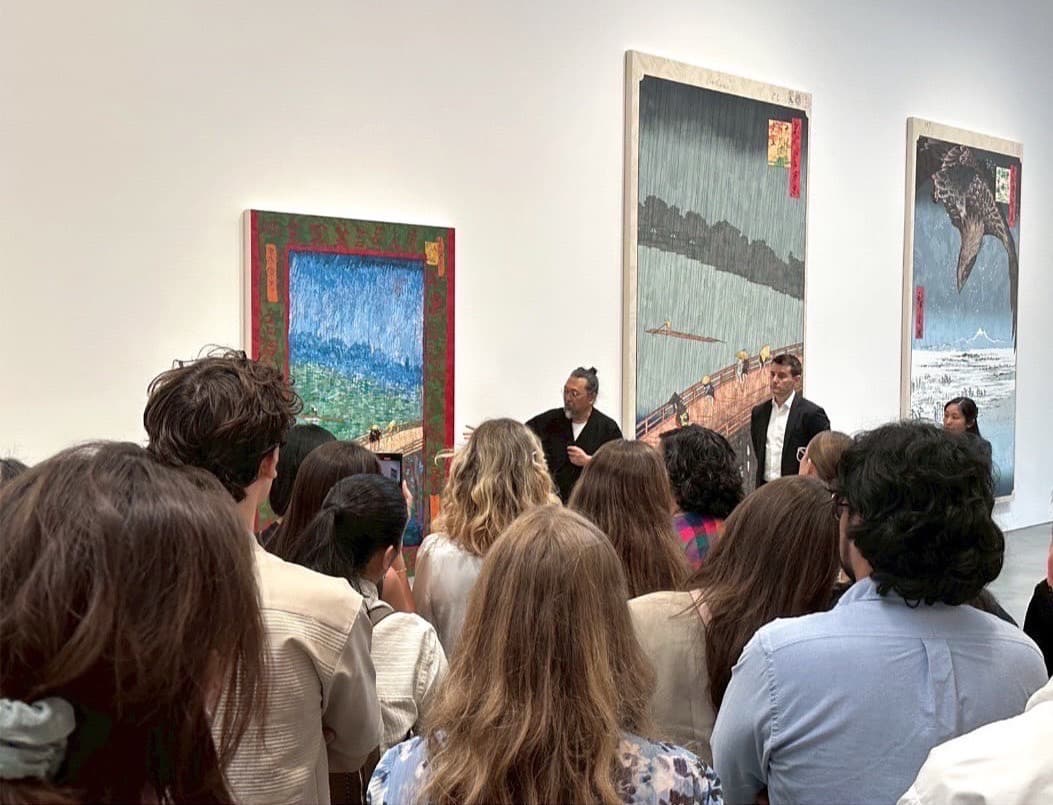
In the experience of art appreciation, when we encounter a concept entirely unlike anything we have known before, our understanding of everything shifts. That extreme encounter is precisely the reason contemporary art exists.
From the 1870s to around 1900, Europe underwent a cognitive revolution known as Japonisme. I believe this moment represented a major shift in perception within the art world, one that ultimately triggered the birth of abstract painting and served as a foundational starting point for what we now call contemporary art. My exhibition aimed to demonstrate this theory.
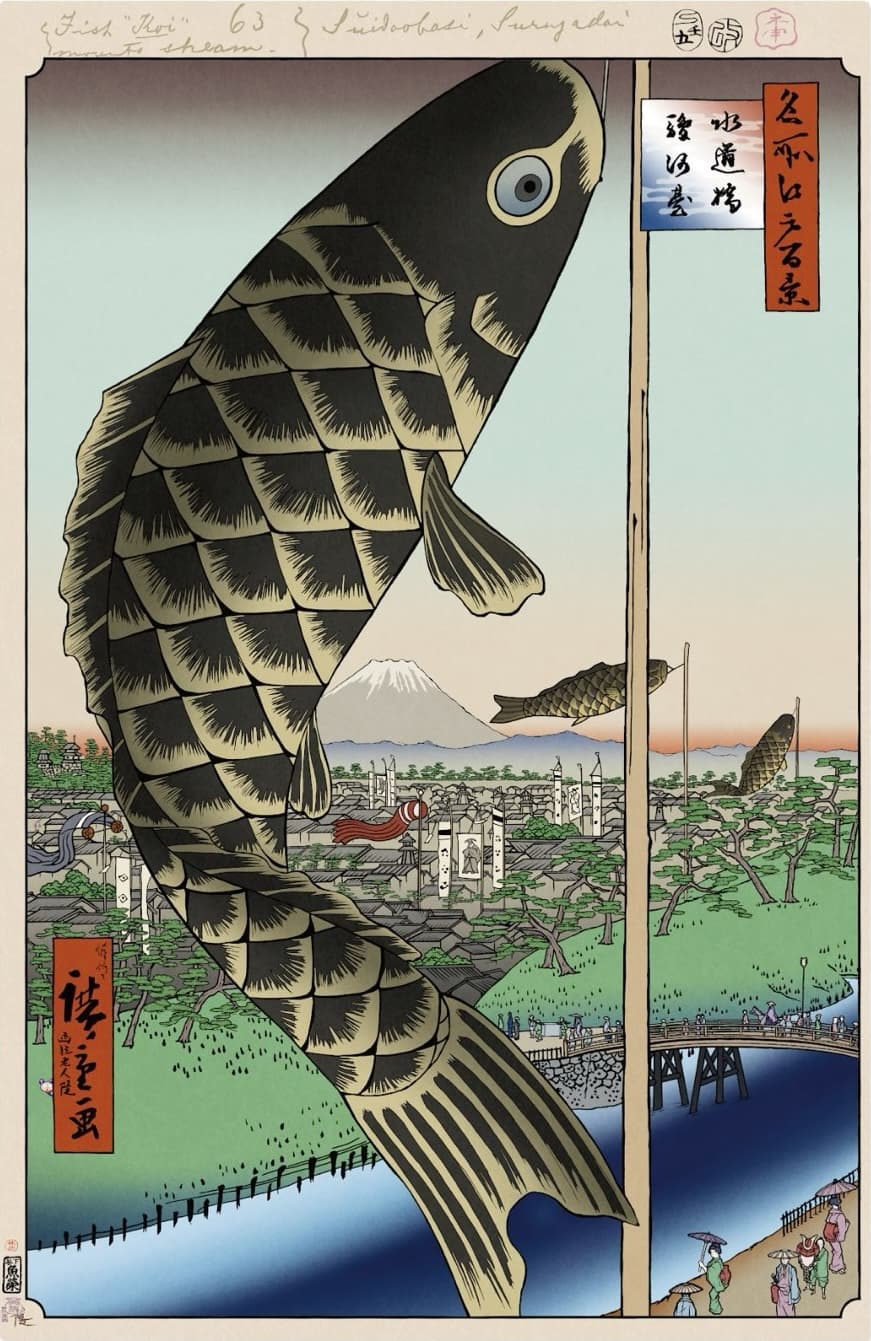
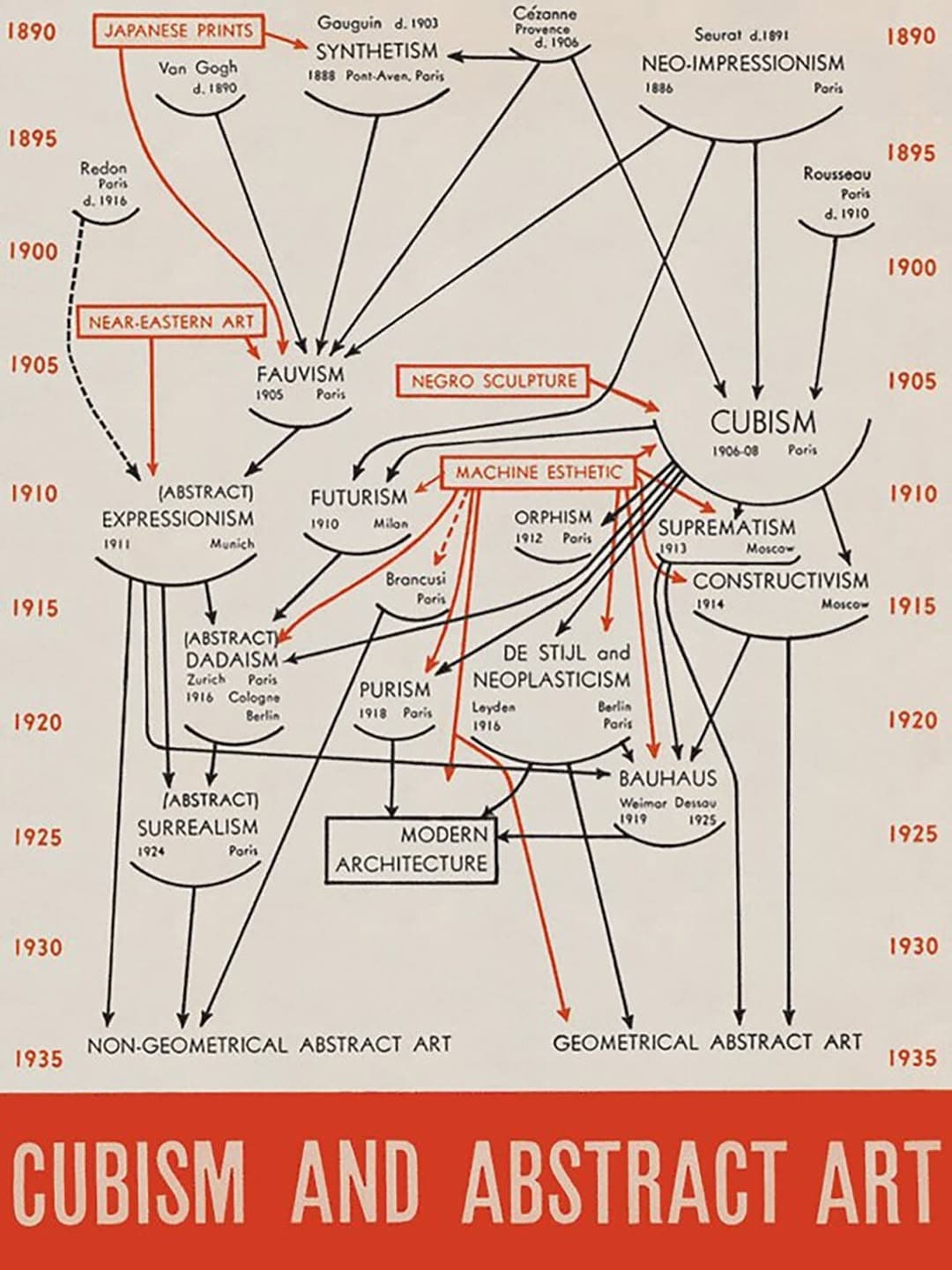
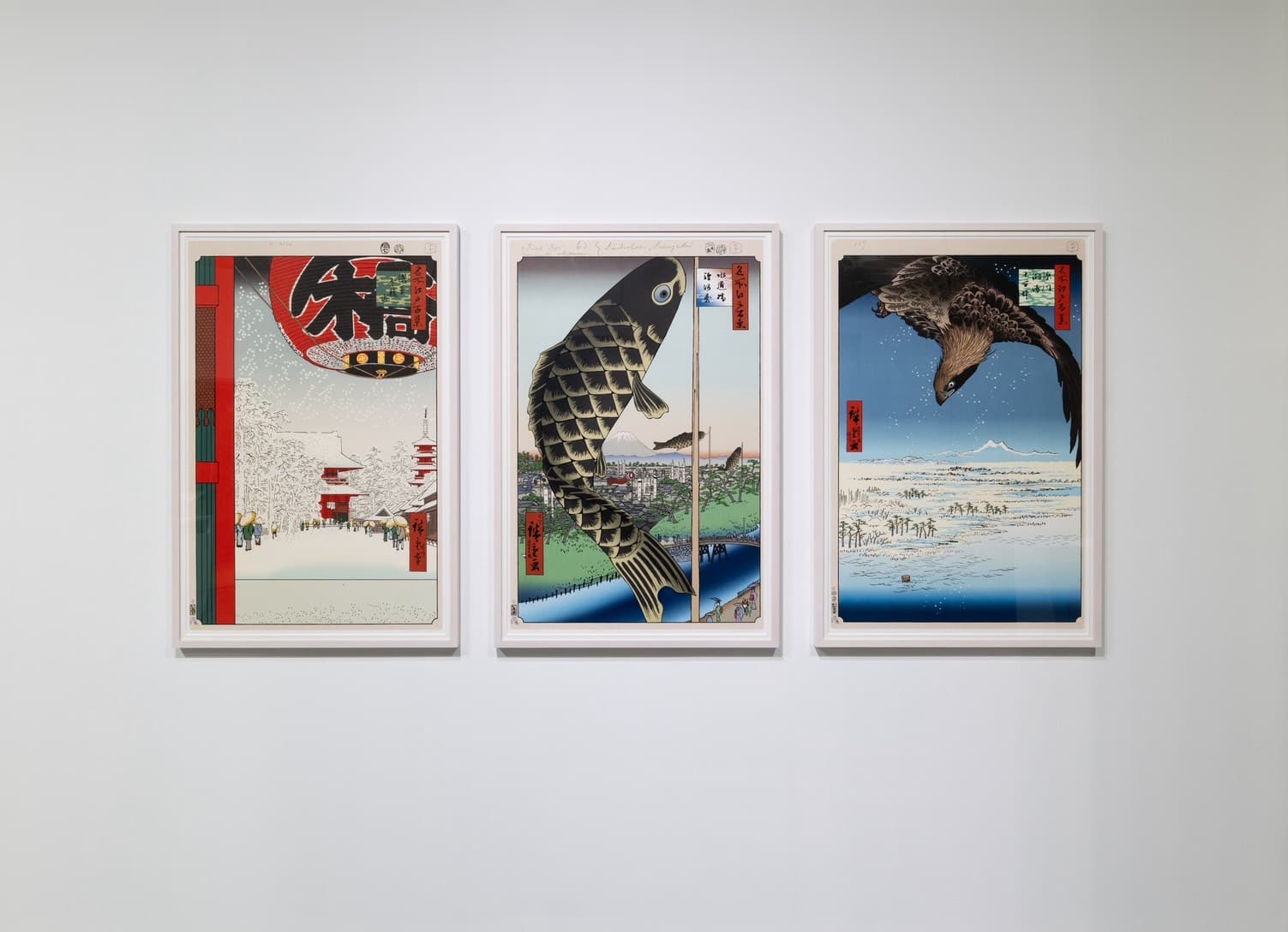
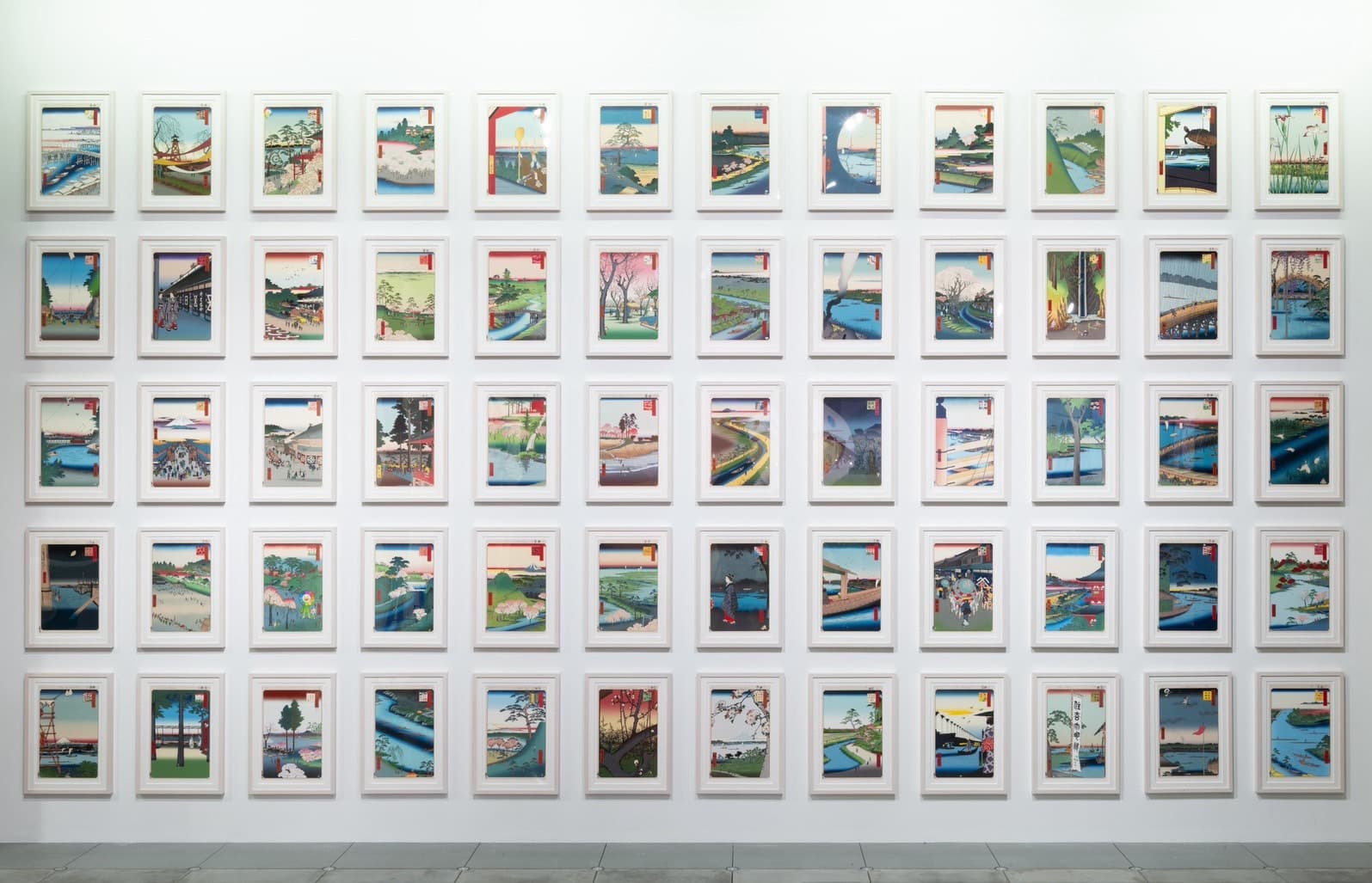
The project originally began when I received a request from the Brooklyn Museum to create homage works based on Utagawa Hiroshige’s One Hundred Famous Views of Edo in their collection for their April 2024 exhibition. As I began reading and learning more about the relationship between Hiroshige and Japonisme to produce the works, a question came to my mind: Could it be that Japonisme penetrated far more deeply into Western art history than we generally acknowledge, and that it is, in fact, shaping the very nature of contemporary art today? Looking into this idea, I quickly encountered MoMA’s first director Alfred H. Barr Jr.’s diagram, “CUBISM AND ABSTRACT ART.” The chart traces the evolution of art from Neo-Impressionism to Surrealism and seems to indicate that the Surrealist movement, which would later develop into abstract painting, derived from Japonisme.
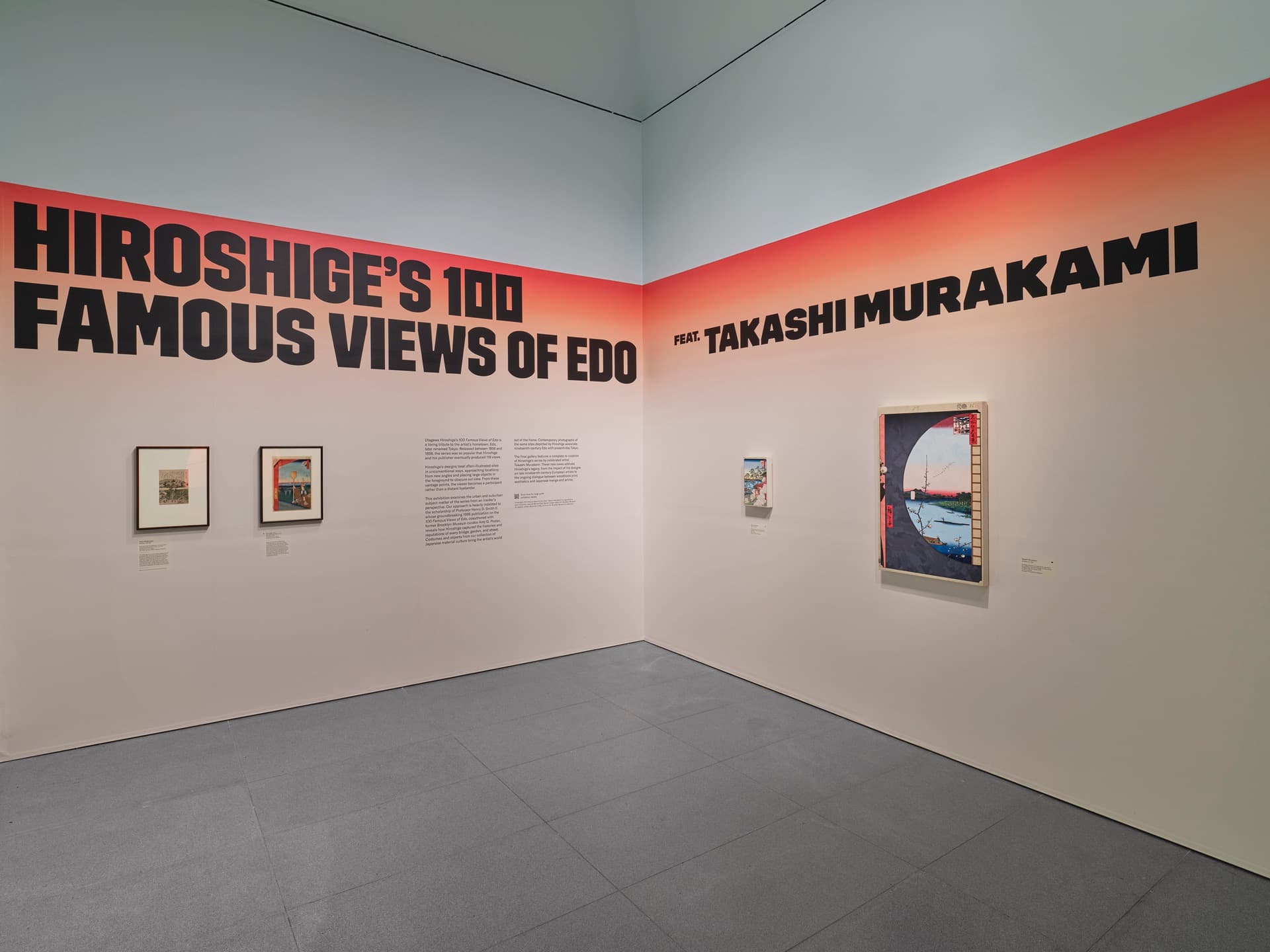
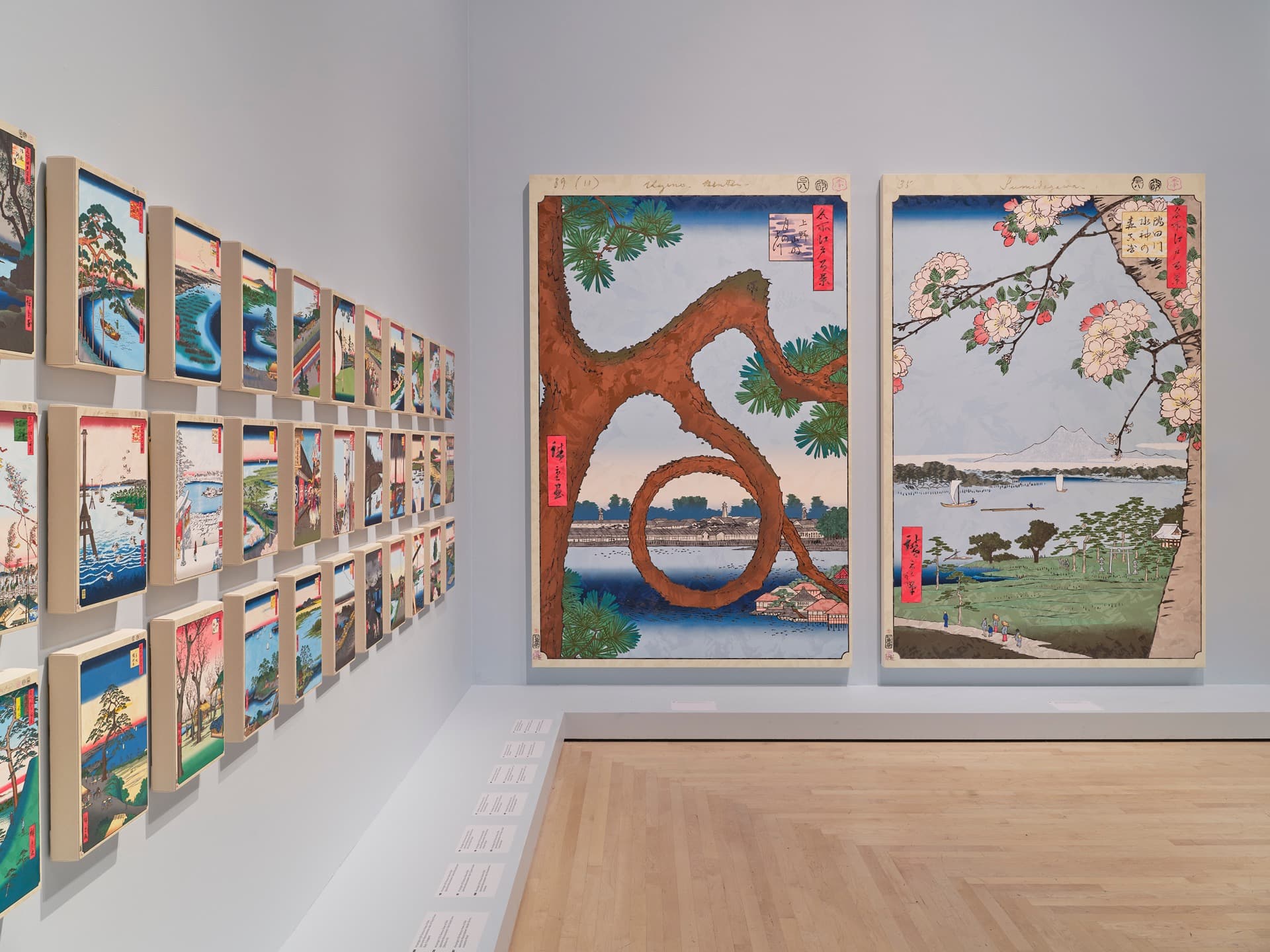
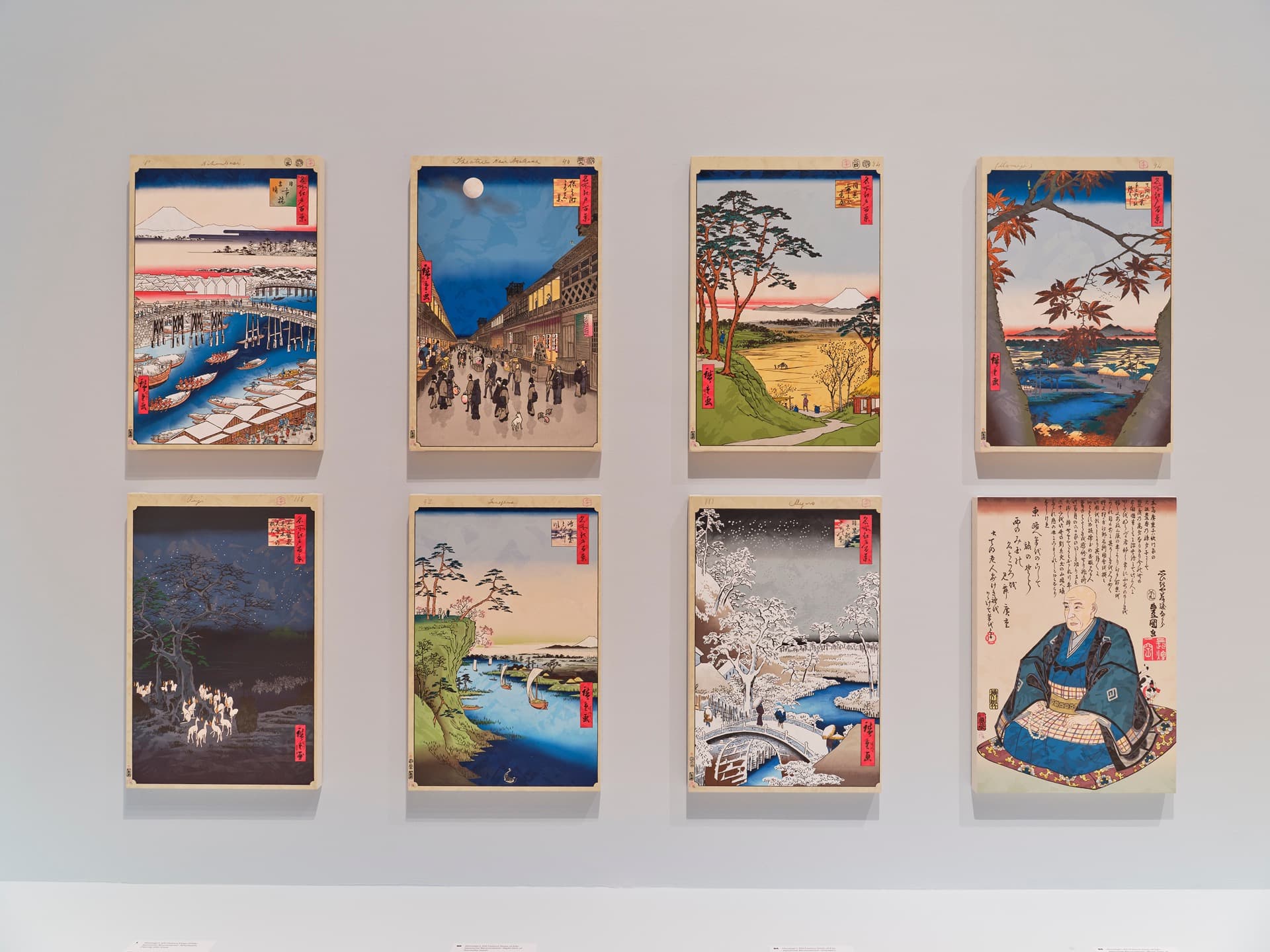
In the present day, one of the reasons manga/anime culture has swept the world is because its seemingly outrageous ideas, philosophies, narratives, compositions, and meticulous draftsmanship together form a highly abstract ensemble, which functions as a universal visual language.
Hollywood cinema, grounded in Western-style concreteness and realism, once dominated global culture through both its aesthetics and promotional power. But today, the new methods born from anime are beginning to take over that position.
Likewise, in the history of art, Western art had long advanced by being relentlessly figurative and logical. Yet the moment it attempted to interpret ukiyo-e, the very origin of Japonisme, it was forced to dismantle its own established frameworks. Rediscovering that rupture and reproposing it was precisely the aim of my exhibition at Gagosian in New York.
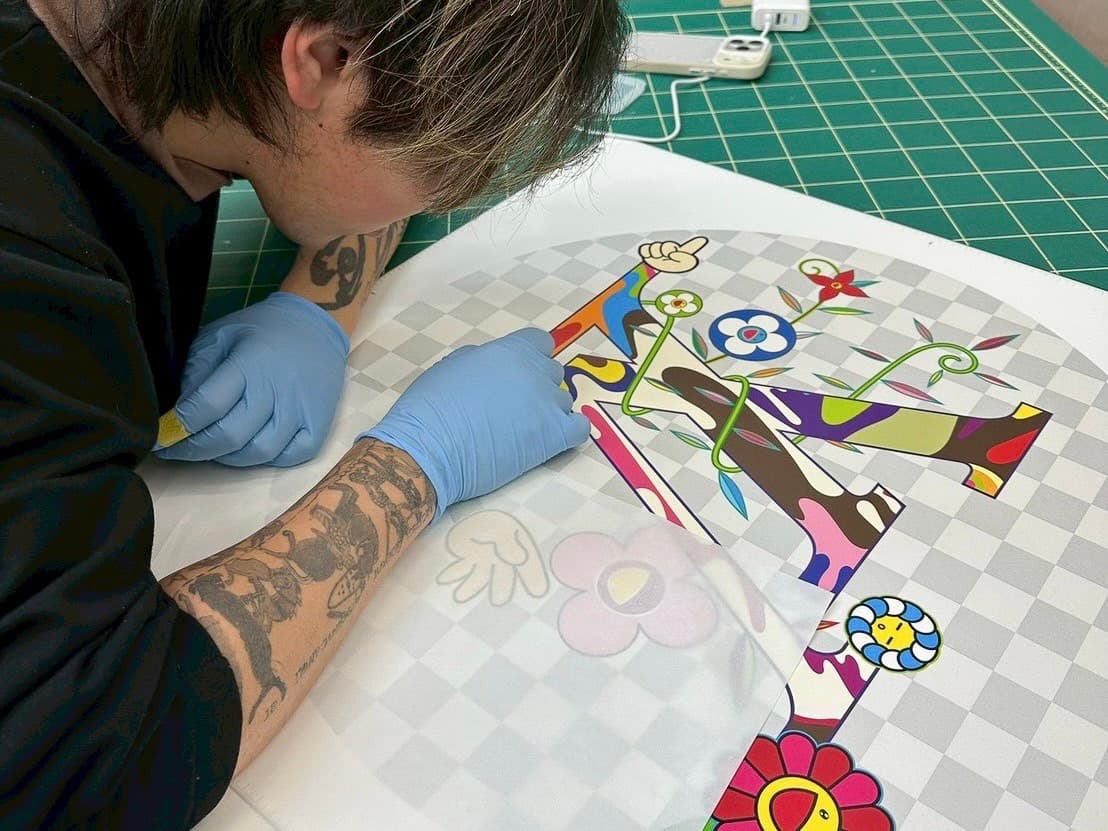
Japonisme was born in part through studying and copying of the works of artists including Hiroshige, and artists such as Van Gogh, Monet, and Cézanne in turn produced works shaped by that influence. For the exhibition I explored their Japonisme-influenced pieces in the form of homage paintings, and ultimately presented the Louis Vuitton Monogram, presumably created at the very moment Japonisme emerged, as paintings. This Monogram series represents both the point of departure and point of return for my own abstract art, and I believe the exhibition earned a strong reception within the New York art scene.
The year 2025 marked my second major collaboration with Louis Vuitton, so it felt like the perfect moment to reflect on this lineage and put forward such a retrospective perspective.
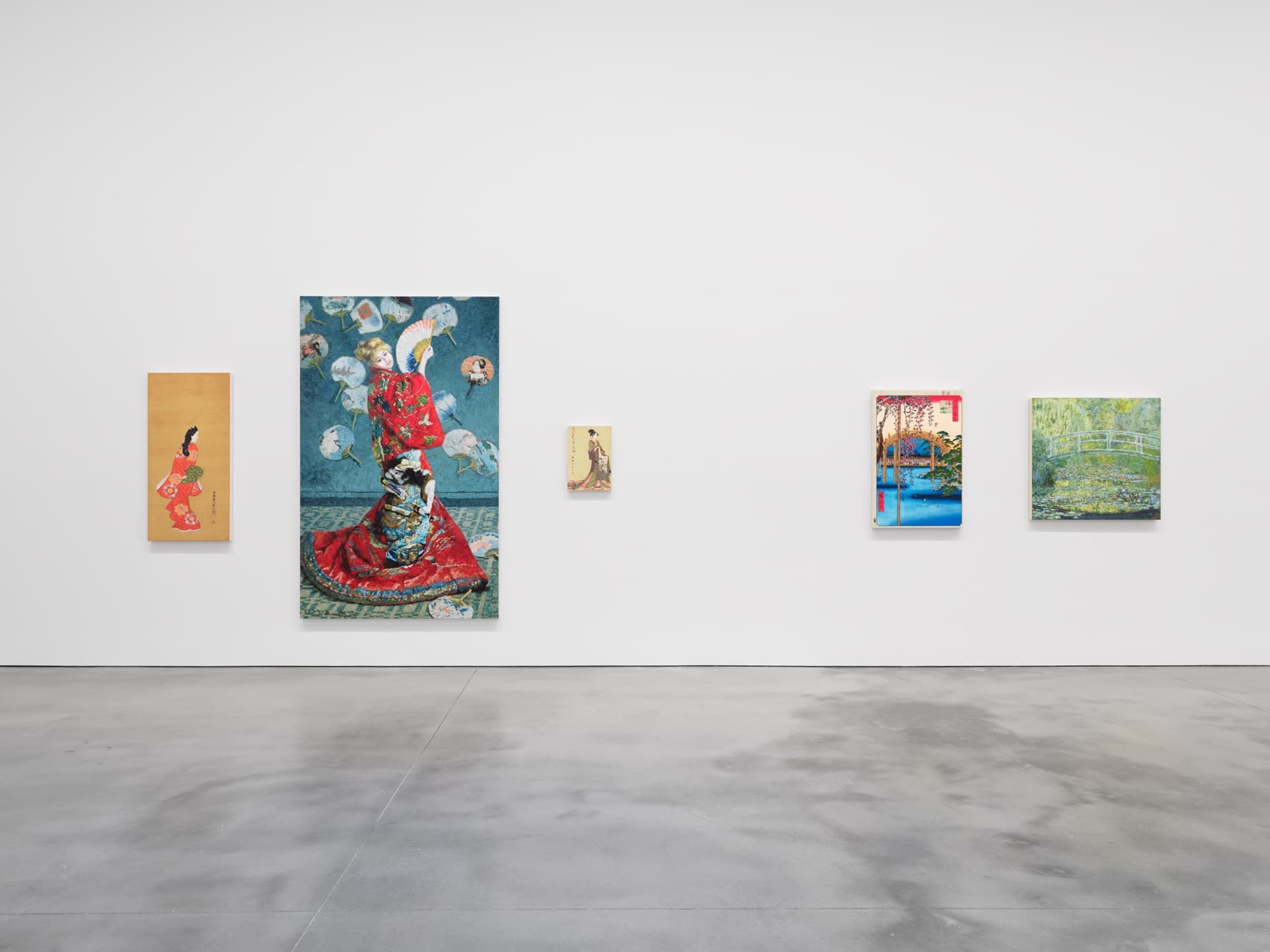
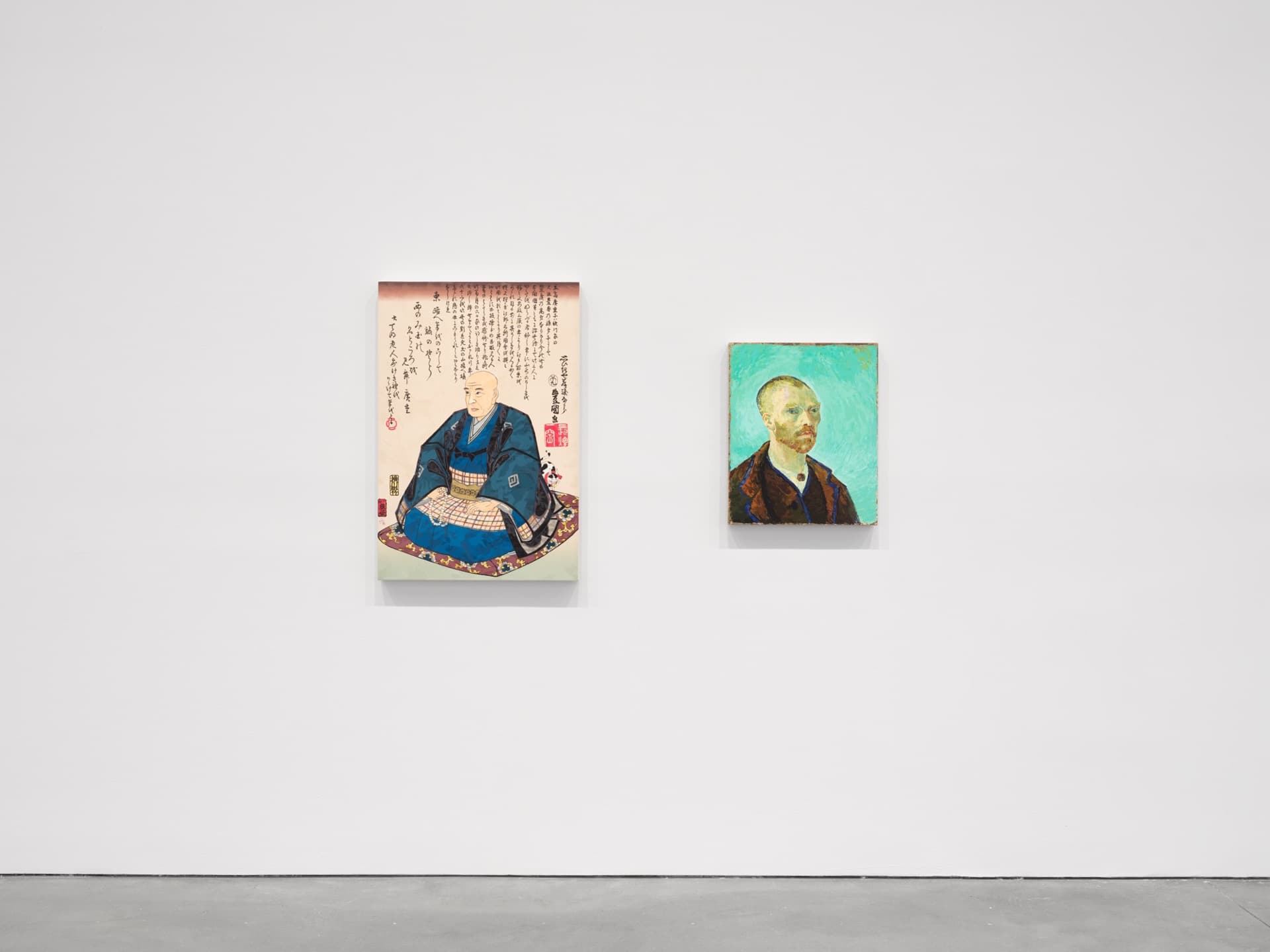
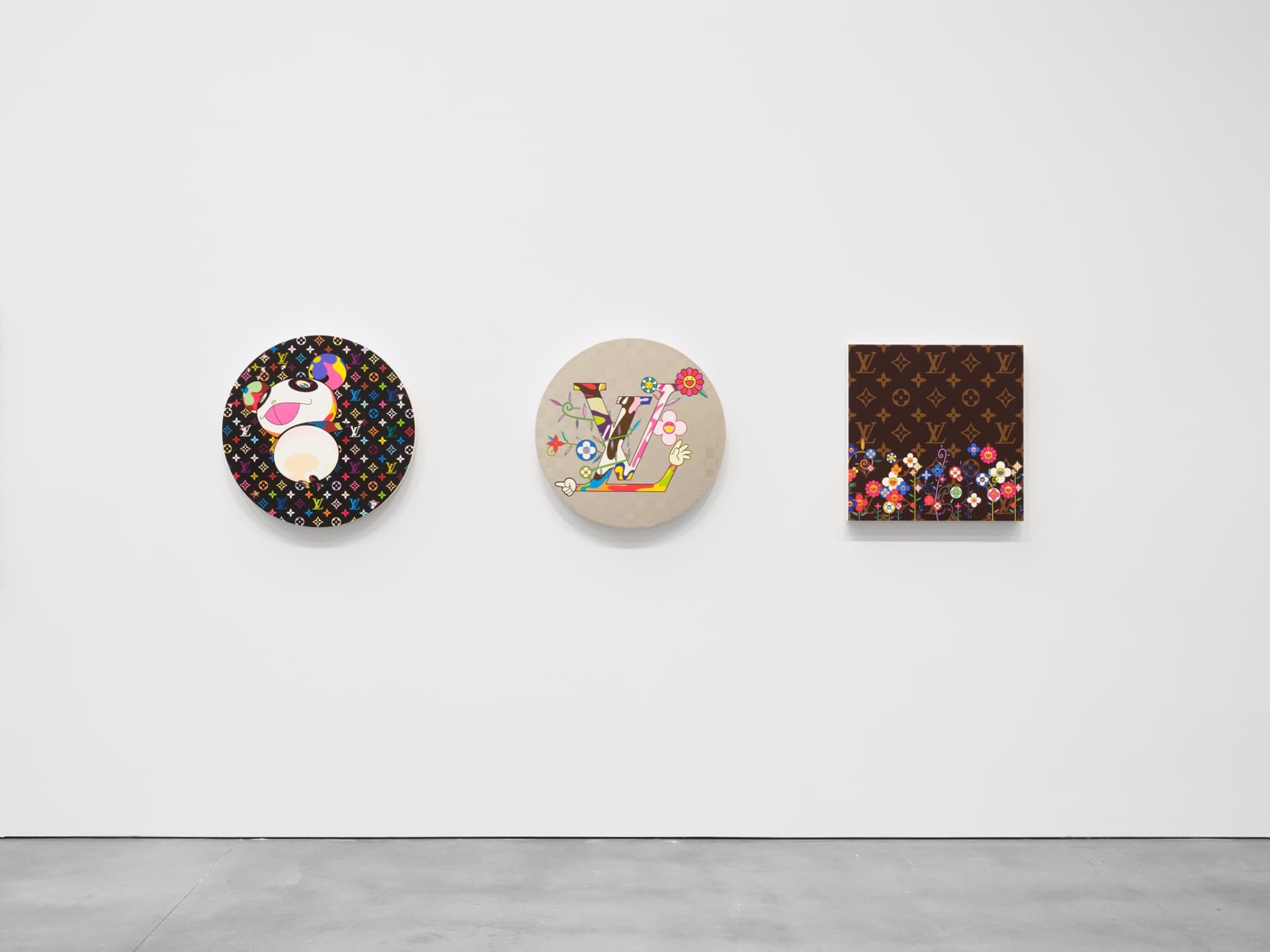
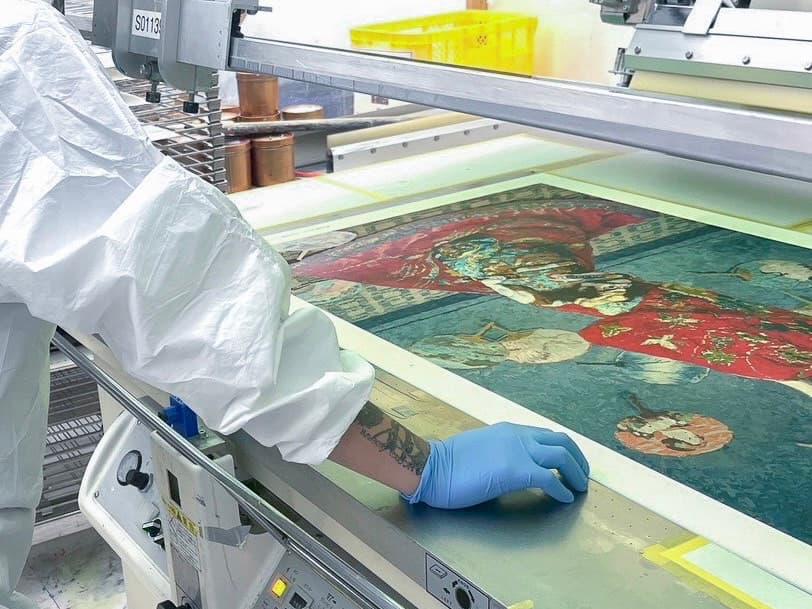
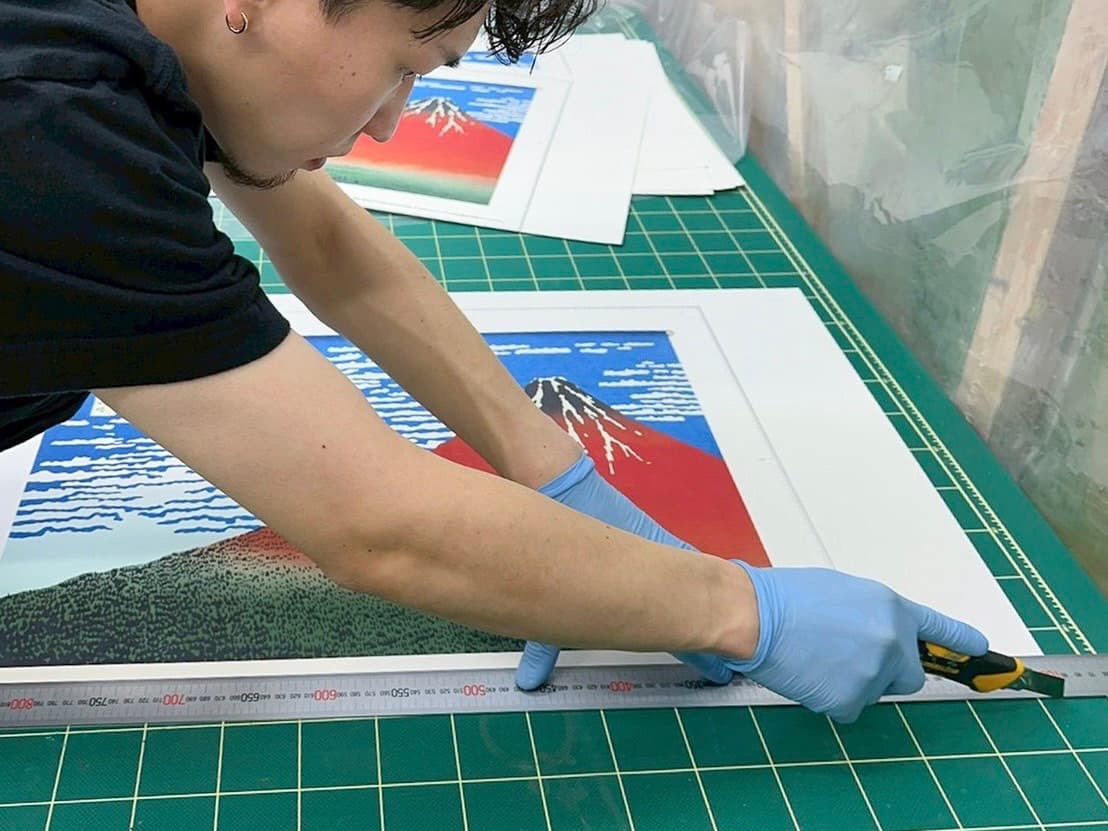
The upcoming exhibition will present almost all the works from that show, now transformed into prints.
Since the original paintings have already dispersed and gone into various collections around the world, bringing the whole series together in this exhibition offers an important opportunity to reexamine the profound impact of Japonisme.
I hope you will come see this ambitious print exhibition.
Exhibition Overview
Takashi Murakami Edition Exhibition
“JAPONISME → Cognitive Revolution: Learning from Hiroshige”
Exhibition Period: December 19, 2025 (Fri) – January 9, 2026 (Fri)
*Kaikai Kiki Gallery will close early at 3:00 PM on Tuesday, January 13.
Gallery Hours: 11:00–19:00
Closed: Sundays, Mondays, and December 27, 2025 – January 5, 2026
※Tuesday, January 13 will be closing early at 3:00 PM
Venue: 2-3-30 Motoazabu, Minato-ku, Tokyo 106-0046
Motoazabu Crest Bldg. B1F
[Important Notice Regarding Sales]
1) Numbered tickets will be distributed if the venue becomes crowded on the day of the event.
2) Each work is carefully packaged individually after condition check, but we cannot guarantee against creasing, fading, dents, stains, tears, or any other damage or loss that occurs after the package has been opened. Please handle all items with care.
3) Purchase quantity limits may apply depending on the edition. Please inquire at the gallery counter.
4) Payment methods are limited to cash or credit card. We do not accept refunds, returns, or exchanges due to customer preferences after purchase.
5) Only the purchaser themselves may complete the payment. Group payments are not accepted.
6) If repeated violations of proper conduct occur, sales may be suspended immediately.
7) If any exchange of money or goods, or solicitation activity is observed inside or in the vicinity of the venue, we will refuse sales to the individuals involved.
8) Sitting or gathering in front of the venue is strictly prohibited.
9) If a customer does not follow staff instructions, we may refuse to sell items to that individual.